


Why Shadowing Is Crucial for Premeds: Understanding Its Importance

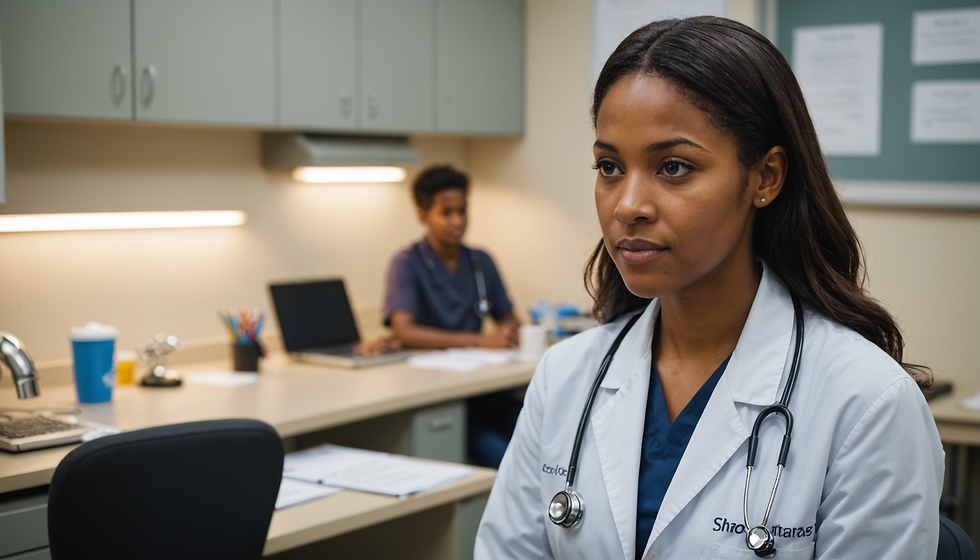
As a premed student, there’s no shortage of tasks and milestones to juggle—MCAT prep, clinical volunteering, research, and, of course, maintaining a strong academic record. But one essential experience that often gets overlooked or deprioritized is shadowing physicians. This seemingly simple activity can be the cornerstone of your medical school application and an integral part of your growth as a future healthcare provider.
In this post, we’ll dive into why shadowing is not only important for your journey as a premed but also why it’s something you need to actively pursue and reflect on to succeed in your medical career.
1. Shadowing Helps You Understand the Realities of Medicine
Many premeds enter the field with a romanticized view of being a doctor—helping patients, making life-saving decisions, and performing surgeries. While these aspects of the job are undeniably rewarding, the reality of a physician’s life is much more complex and often involves tasks that aren’t as glamorous.
Shadowing provides an unfiltered look at the daily responsibilities of a physician. Whether it’s seeing patients in a clinic, interacting with medical staff, reviewing charts, or even handling administrative duties, you’ll gain an understanding of the multifaceted nature of healthcare.
Why this matters:Medical school is rigorous, and becoming a physician requires a significant commitment of time, effort, and emotional energy. Shadowing allows you to observe the challenges doctors face in real time, from dealing with difficult patients to managing long hours. It helps you assess if this career path aligns with your expectations and personal goals. It’s a chance to confirm that medicine is truly the right fit for you, or perhaps to refine your understanding of what kind of doctor you want to become.
2. Shadowing Helps Build a Stronger Medical School Application
When it comes to medical school admissions, one of the most valuable assets you can bring to the table is a solid foundation of clinical experience. Admission committees don’t just want to know that you can ace the MCAT or maintain a high GPA—they want to see that you have real-world exposure to healthcare environments and a genuine understanding of what being a doctor entails.
Shadowing allows you to:
Show your commitment: Medical school is not an easy path, and admissions committees want to see that you’re committed to pursuing a medical career. By shadowing doctors, you’re demonstrating that you’ve gone beyond theoretical knowledge and are actively engaging with the profession.
Enhance your personal statement and interview: Your shadowing experiences can provide unique insights and personal anecdotes that will enrich your personal statement and interview discussions. It helps you articulate why you want to become a physician and how your experiences have shaped your understanding of medicine.
Strengthen your letters of recommendation: After shadowing a physician for a significant amount of time, you can ask them to write a letter of recommendation for your medical school application. A strong letter from a respected doctor who has observed your professionalism and enthusiasm in the field can set you apart from other applicants.
3. Shadowing Exposes You to Different Specialties and Career Paths
Medicine is not a one-size-fits-all career. There are countless specialties, each with its own unique challenges, responsibilities, and patient populations. As a premed, you may have an idea of what specialty you’d like to pursue, but shadowing offers you the opportunity to explore various fields and see what resonates most with you.
By shadowing physicians in different specialties—whether it’s pediatrics, cardiology, surgery, or family medicine—you’ll gain:
A better understanding of the work-life balance: Some specialties are known for their grueling hours and on-call schedules (like surgery or emergency medicine), while others offer a more predictable routine (such as dermatology or psychiatry). Shadowing lets you observe these different realities firsthand.
A broader perspective on patient care: Certain specialties deal with complex, life-threatening conditions, while others focus on preventive care or chronic disease management. Exposure to different types of patient care will help you decide where you feel most passionate and effective.
Informed decision-making: Shadowing can clarify your preferences, helping you make informed decisions about where you might focus your energy and resources. You might even discover a field you hadn’t initially considered, giving you a broader and more open approach to your future career.
4. Shadowing Helps You Develop Key Skills and Attributes
Medicine isn’t just about scientific knowledge and technical skills. It’s about effective communication, empathy, problem-solving, and teamwork. Shadowing offers the chance to observe and develop these essential skills in the following ways:
Communication: Shadowing allows you to see how doctors interact with patients, explaining diagnoses, treatment options, and procedures. You'll observe how they use clear, compassionate language to build trust and create meaningful connections with their patients.
Empathy: Watching physicians manage the emotions and concerns of their patients will help you hone your ability to empathize with people in difficult situations. Empathy is one of the cornerstones of good patient care, and observing how doctors navigate sensitive conversations will help you develop this critical skill.
Critical thinking: During your shadowing experience, you’ll see doctors make decisions in real-time based on a patient’s history, lab results, and clinical presentation. This helps you understand the decision-making process involved in patient care, and you’ll begin to recognize how doctors weigh risks, benefits, and alternatives.
5. Shadowing Demonstrates Your Ability to Work as Part of a Healthcare Team
In medicine, collaboration is key. Physicians don’t work in isolation; they interact with nurses, pharmacists, social workers, and other healthcare professionals on a daily basis. Shadowing offers a front-row seat to the inner workings of a medical team.
During your time observing a physician, you’ll have the chance to see how they communicate with and rely on other members of the healthcare team. This provides an understanding of what it means to work collaboratively, manage patient care across multiple disciplines, and maintain clear communication in high-pressure situations.
This is especially important because medical schools seek applicants who can demonstrate teamwork and the ability to function effectively in a group setting—skills that are essential for success in medical school and beyond.
6. Shadowing Builds Your Professional Network
Shadowing not only gives you insight into the world of medicine, but it also opens doors to building professional relationships with physicians and other healthcare professionals. These connections can be valuable for:
Mentorship: Physicians who are willing to let you shadow them may offer you mentorship and career advice. They can provide valuable insights into the medical field, guide your career decisions, and even support you with letters of recommendation in the future.
Networking: Shadowing exposes you to a broader network of healthcare professionals, including specialists, hospital administrators, and other students. Building these relationships early can help you as you seek opportunities for research, volunteering, or clinical experiences later on.
In Conclusion
Shadowing is much more than just a box to check on your premed checklist. It’s an essential experience that helps you gain a deeper understanding of the medical profession, solidifies your commitment to a career in medicine, and provides invaluable skills and insights that will shape you as a future physician. It can help you make more informed decisions, build your application, and create lasting professional relationships.
So, if you haven’t already started shadowing, now is the time to begin. Seek out opportunities in different specialties, reflect on your experiences, and use those observations to grow both personally and professionally. Your future patients—and medical school admissions committees—will thank you for it.


Comments